Storm Window Aesthetic Guide: Integrating Efficiency with Architectural Integrity
The tension between architectural preservation and modern thermal performance often finds its flashpoint at the window opening. However, as the science of building envelopes has matured, the discourse has shifted toward a more nuanced integration of form and function.
Developing a sophisticated visual strategy for secondary glazing requires moving beyond the binary choice of “efficiency versus beauty.” It involves a granular understanding of sightlines, light refraction, and material finishes. The modern challenge is not merely to insulate, but to do so while respecting the original intent of the architect. When executed with precision, a storm window can become nearly invisible or serve as a complementary element that reinforces the structural rhythm of the facade.
This analysis explores the systemic variables that define the visual success of window retrofits. By examining the intersection of geometry, color theory, and installation methodology, we can establish a standard for high-performance windows that does not sacrifice the soul of the structure. The following sections serve as a comprehensive reference for those tasked with managing the delicate balance of residential and commercial fenestration aesthetics.
Storm window aesthetic guide
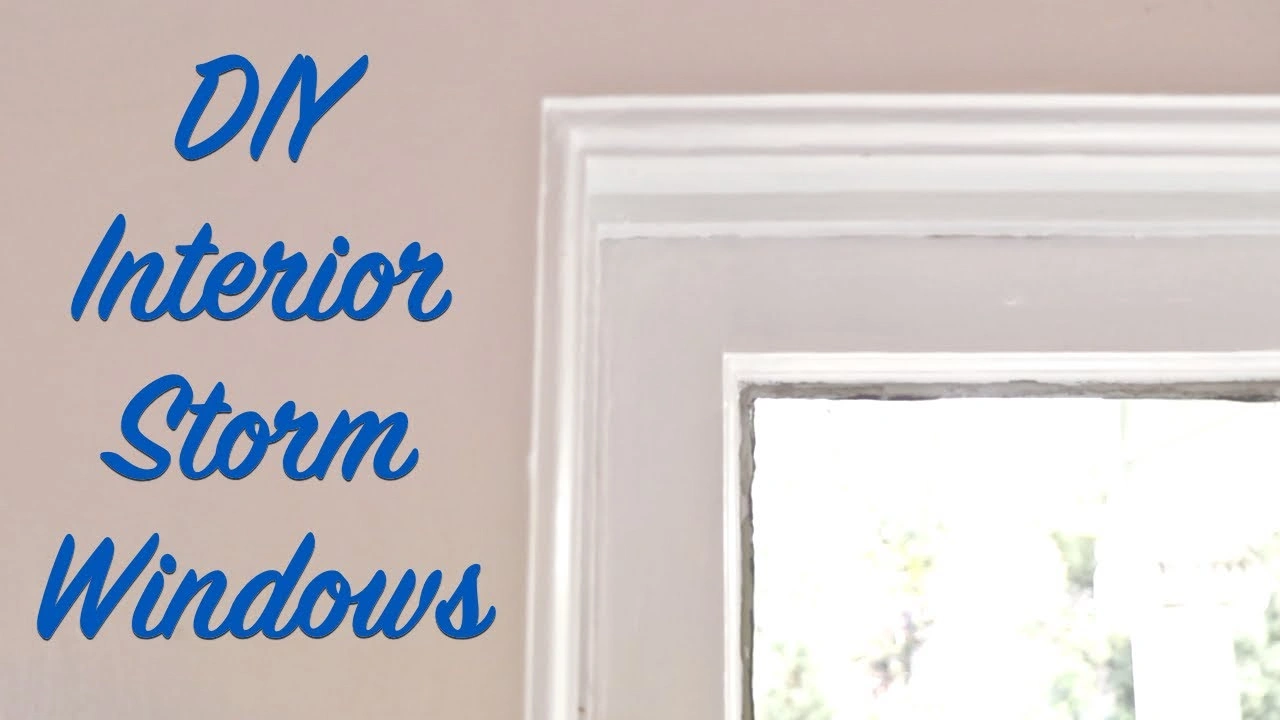
Navigating the complexities of a storm window aesthetic guide requires an admission that “aesthetics” is not a subjective whim but a measurable alignment of geometric proportions. A common misunderstanding in contemporary renovation is that a storm window must be a bulky, external appendage. This oversimplification ignores the burgeoning field of interior storm inserts and low-profile exterior “invisible” systems that utilize ultra-slim meeting rails to align perfectly with existing sash members.
The risk of ignoring a structured aesthetic framework is the “flattening” of a building’s facade. Traditional windows are defined by their depth—the way the sash sits back from the casing creates shadows that give a building character. If a storm window is mounted flush to the outermost trim without regard for these recesses, the building loses its three-dimensional texture. A professional-grade guide must therefore prioritize the preservation of these shadow lines, advocating for “blind-stop” installations where the storm unit is tucked inside the window opening rather than overlapping the decorative brickmould or casing.
Furthermore, the refractive quality of the glass itself is an aesthetic variable. Modern low-emissivity (Low-E) coatings, while excellent for energy, can sometimes introduce a bluish or greenish tint that clashes with historic glass. Managing these subtle shifts in light transmission and reflection is a core component of maintaining topical authority over a building’s visual identity.
Deep Contextual Background
Historically, storm windows were temporary wooden frames, manually hung in autumn and removed in spring. These “seasonal” windows were often painted the same color as the primary sash, ensuring a seamless visual transition. The mid-20th century saw the rise of the aluminum “triple-track” storm window, which prioritized permanent convenience over architectural sympathy. These units, often left in a raw mill finish or a generic white, became synonymous with the degradation of historic streetscapes.
The systemic evolution of the industry is currently in a “restorative” phase. We are seeing a return to the use of high-performance wood-frame storms in some luxury sectors, alongside the development of high-strength, thin-gauge aluminum alloys that allow for much narrower frames.
Conceptual Frameworks and Mental Models
To manage the visual impact of window upgrades, professionals often utilize specific mental models:
-
The Sightline Alignment Principle: The most critical factor in storm window design is ensuring that the horizontal meeting rail of the storm window perfectly overlaps the meeting rail of the primary window. If these two lines are offset by even a half-inch, it creates visual “noise” that signals a cheap or poorly planned installation.
-
The Shadow Line Preservation Model: This framework evaluates the success of an installation by the percentage of original casing still visible. The goal is to maximize “reveal”—the amount of wood trim left exposed—to maintain the architectural depth of the aperture.
-
The Color Recedence Theory: Darker colors (bronze, forest green, black) tend to recede into the shadows of a window opening, making the storm window frame less noticeable than a bright white or silver frame, which draws the eye to the outermost plane of the glass.
-
The Material Honesty Threshold: This model suggests that if a storm window cannot be invisible, it should be clearly differentiated but of high quality. It avoids “faux” wood grain finishes on aluminum, which rarely age at the same rate as real wood, leading to a visual mismatch over time.
Key Categories and Variations
Selecting the right system involves weighing the trade-offs between visibility, accessibility, and thermal gain.
| Category | Aesthetic Impact | Best Application | Primary Trade-off |
| Interior Magnetic Inserts | Near Zero (Invisible) | Historic preservation | Does not protect the original sash from the weather |
| Flush-Mount Exterior | Moderate (Blends with trim) | Modern/Minimalist | Requires precise custom sizing |
| Blind-Stop Wood Storms | Low (Authentic) | Pre-war residential | Requires seasonal removal and painting |
| Low-Profile Aluminum | Low (Slim sightlines) | Urban brownstones | Higher cost than standard tracks |
| Frameless Compression | Zero (Edge-to-edge glass) | Minimalist interiors | Limited thermal break at the edges |
Decision Logic for Implementation
The primary decision point hinges on whether the goal is “protection” or “insulation.” If the original primary windows are deteriorating, an exterior storm window provides a sacrificial layer against rain and UV, but at a higher aesthetic cost. If the primary windows are in excellent condition and the goal is purely comfort, an interior system is almost always the superior aesthetic choice, as it leaves the exterior facade completely untouched.
Detailed Real-World Scenarios

Scenario 1: The Federal Style Brick Rowhome
The homeowner wishes to preserve the delicate, thin muntins of 19th-century windows.
-
Constraint: Exterior mounting would hide the historic “ogee” molding.
-
Decision Point: Opt for a “custom-color-matched” interior insert with a compression gasket.
-
Second-Order Effect: While the exterior is preserved, the interior must now account for the slight reduction in windowsill depth, which may affect window treatments.
Scenario 2: The Mid-Century Modern Floor-to-Ceiling Lite
Large expanses of glass make traditional storm window frames look like a “cage.”
-
Constraint: No center mullions to hide the storm window joints.
-
Failure Mode: Using a multi-lite storm window ruins the “clean” glass aesthetic.
-
Management Step: Use a single-pane, tempered glass interior system with a frameless edge, preserving the “limitless” feel of the MCM design.
Planning, Cost, and Resource Dynamics
The pursuit of high-end aesthetics carries a premium. Standard off-the-shelf units are inexpensive because they use wide, generic frames meant to fit “close enough.”
| Performance Tier | Cost per Unit | Aesthetic Value | Durability |
| Standard “Box Store” | $150 – $300 | Low (Bulky, mismatched) | 10-15 Years |
| Architectural Aluminum | $450 – $800 | High (Slim, color-matched) | 30+ Years |
| Bespoke Wood | $600 – $1,200 | Maximum (Period accurate) | Variable (Needs paint) |
| Monolithic Interior | $300 – $600 | Invisible | 20+ Years |
Tools, Strategies, and Support Systems
Achieving a professional finish requires specific methodologies:
-
Laser Measuring: Traditional tapes can sag over 70 inches; laser measurements ensure the “tight fit” required for a low-profile aesthetic.
-
Spectrophotometry: Used to scan the existing window trim color and create a custom powder-coat for the storm frame.
-
Low-Iron Glass: Reduces the green tint common in thick glass, ensuring the primary window’s colors remain true.
-
Custom Panning: Aluminum wraps that cover the gap between the storm and the casing, used when the window opening is out of square.
-
Mullion Covers: Slim strips that hide the gap between two side-by-side storm windows.
-
Sub-Sills: Custom-sloped pieces that ensure the storm window sits level even if the historic sill has settled.
Risk Landscape and Failure Modes
Aesthetic failures often lead to functional issues:
-
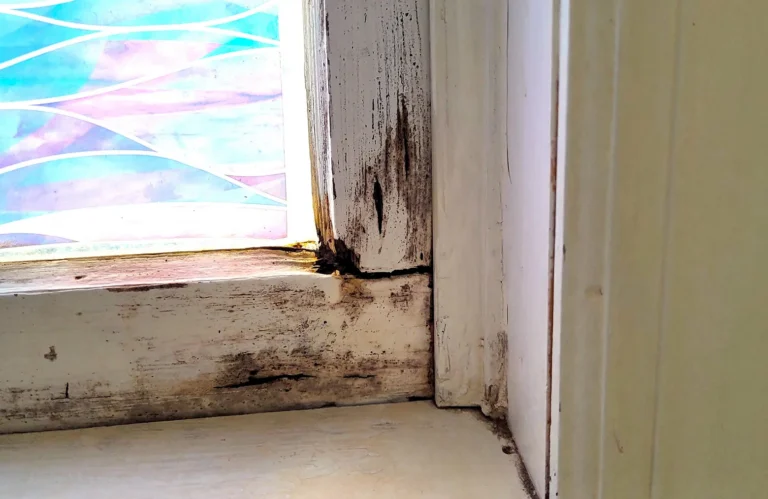
Moisture Trapping: A storm window that is too well-sealed without weep holes will cause condensation between the panes, leading to wood rot and a “foggy” visual that ruins the aesthetic.
-
Differential Thermal Expansion: Using a dark-colored storm window on a south-facing elevation can lead to extreme heat buildup, potentially cracking the original glass if there isn’t sufficient air space.
-
Color Fading: Non-UV-stable finishes on storm frames can fade at different rates than the house paint, leading to a mismatched appearance within three years.
Governance, Maintenance, and Long-Term Adaptation
Visual integrity requires a “lifecycle” approach. Even the best-designed storm window will eventually detract from a building’s beauty if it is allowed to accumulate grime or if the seals fail.
-
Inspection Cycle: Annual check of the “dead-air space” for insect debris or dust.
-
Finish Monitoring: Checking for “chalking” on powder-coated aluminum surfaces.
-
Gasket Integrity: Replacing yellowed or cracked vinyl gaskets that can become visible from the street.
Layered Aesthetic Checklist
-
[ ] Do the storm window rails align with the primary sash rails?
-
[ ] Is the frame color within two shades of the window casing?
-
[ ] Are the weep holes unobstructed but discreet?
-
[ ] Is the glass “flatness” consistent with the primary glazing (avoiding wavy-glass/flat-glass dissonance)?
Measurement, Tracking, and Evaluation
How do you quantify the aesthetic success of a storm window project?
-
The “Street-Side” Blind Test: Can a trained observer identify the presence of the storm window from 20 feet away?
-
Luminance Comparison: Using a light meter to ensure the storm window hasn’t reduced interior natural light by more than 10-15%.
-
Reflectivity Index: Monitoring whether the exterior reflection of the house is “broken up” by the new window planes.
Common Misconceptions
-
Myth: “White is always the safest color.” Reality: White frames against dark wood or brick often look like a “graphic outline” that draws too much attention.
-
Myth: “Storm windows make a house look cheap.” Reality: Poorly installed storm windows look cheap.
-
Myth: “You can’t have storm windows on arched windows.” Reality: Custom-bent aluminum and CNC-cut glass allow for nearly any geometry, though at a higher cost.
-
Myth: “Plastic film is just as good as a storm window.” Reality: From an aesthetic standpoint, film is a failure; it creates distortive reflections and lacks the structural lines of a real frame.

Conclusion
The successful integration of storm windows into an architectural facade is an exercise in restraint. The most effective storm window aesthetic guide concludes that the best installation is the one that goes unnoticed. By prioritizing sightline alignment, color recedence, and material quality, it is possible to achieve modern energy standards while honoring the heritage of the built environment. As we move toward more stringent building codes, the ability to marry these two worlds—the thermal and the visual—will define the next generation of high-performance architectural restoration.